The refresher-yellow Crumble Mania joint was celebrating one year of business, deflating balloons bumped sadly in the wind. What had I done in the last year.
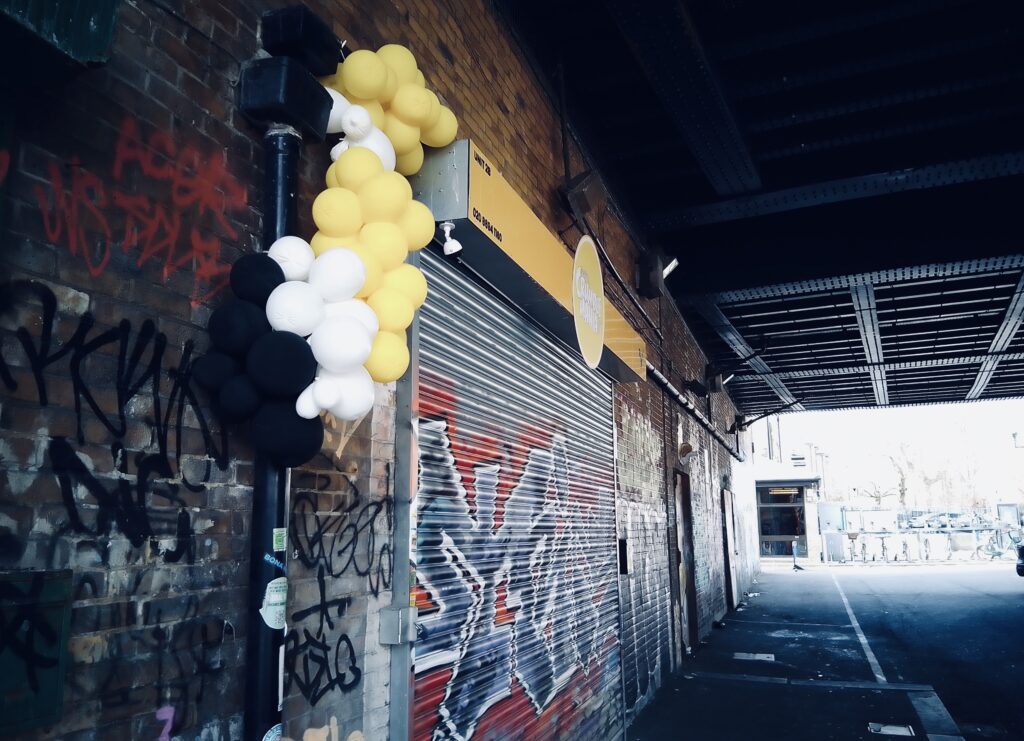
As the train steelpan’d its way overhead I thought back over the twelve months. You know when they split up your life into an aggregate of years, half your life asleep etc I thought it through. My YouTube stats would be terrifying. The time it took the First World War to resolve itself would be verging on the seconds I’d take to the grave waterboarded by cat videos.
Half a decade easy.
Lying there with the worms 6ft under, a smile would crack across my face.
*
I
The fame I’d always sought had come knocking.
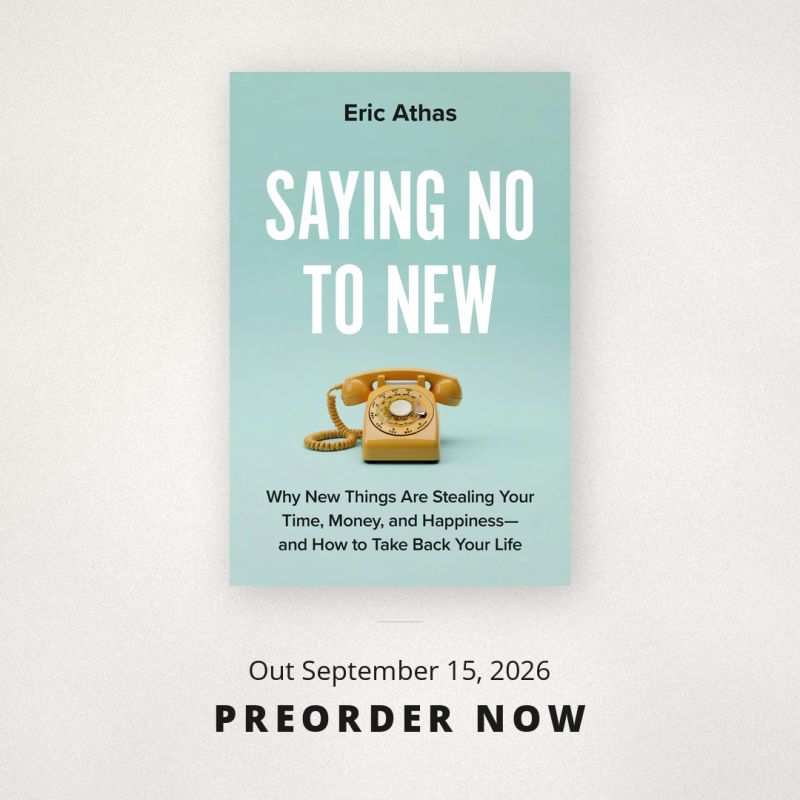
A man called Eric Athas, a New York Times editor, had written a book about me. Replace the word book with paragraph. Saying No To New was a takedown of the current climate, a decimation of our subjugation to tech, I was one of his case studies. Being immortalised in print felt like a rogue solo moon-landing.
He ran the excerpt by me.
Bang-on I replied.
Domingo Cullen, a writer in East London, didn’t pay much attention to new things. He was raised by parents who prohibited television. He’s rarely used social media, and he’s never owned a smartphone. (He showed off his brick-like Nokia during a video call with me.) Cullen told me his minimal tech setup was intentional to ensure he’d appreciate the outside world.
“I’ve never really experienced or would know what it was like to have my attention taken up when I’m outside, which I think is a mysterious blessing that I have,” said Cullen.
That all changed when he started visiting YouTube more often. Soon, he was sucked into the algorithm. In a piece for The Guardian, Cullen wrote about what he described as a YouTube addiction:
‘There were times I wouldn’t communicate with anyone all day. It was isolationist and repetitive and hypnotic. I would sit entranced, swelling my command of thoroughly useless information as YouTube gently wove its spell on me, drawing me deeper and deeper into its pixelated underworld. As one video finished, another one on a similar topic loaded, sucking me in for another five or 10 minutes. Half hours became hours became half days. And outside my window, the world whizzed on.‘
Cullen was experiencing a diversion from another valuable asset: attention. Platforms like YouTube rely on our attention to turn a profit. We don’t need to pay money to use YouTube, Instagram, TikTok, or Facebook. Instead, we trade our attention, which the platforms can sell against advertising. This is how the attention economy works.
“A wealth of information creates a poverty of attention and a need to allocate that attention efficiently among the overabundance of information sources that might consume it,” wrote Herbert A. Simon, an economist and Nobel laureate who coined the term attention economy decades ago.
The temptation of cat videos and soccer highlights is so strong that Cullen literally locks himself out of the internet. When he needs to get some writing done, he unplugs his wireless router and banishes it to a secured box for at least three hours of what he calls “1930s-style” focus time. “Otherwise, I don’t have the discipline to not check,” said Cullen.
Locking away your router seems like a drastic measure. Maybe. But maybe it’s exactly what’s needed to fight against the attention economy.
*
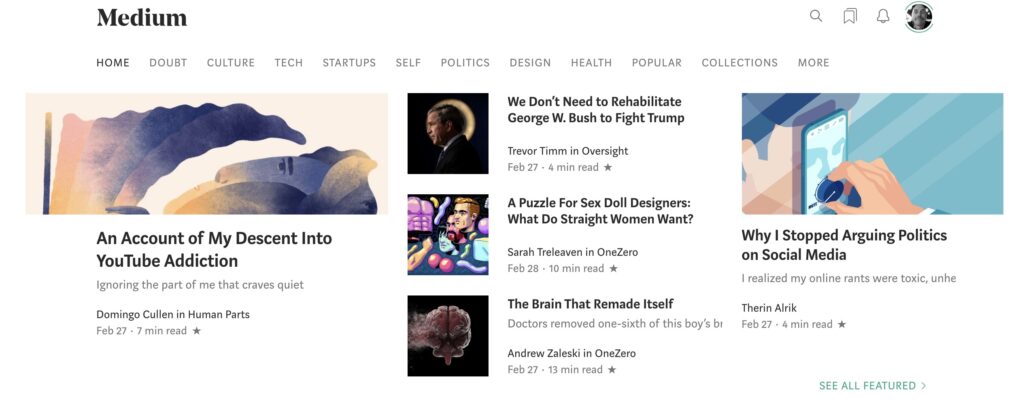
The account of my sordid descent had taken over the world. Sat in the top five on Medium for months, the Guardian got their liberal mits on it, Vice threw out confetti.
I became a celebrity therapist, almost like a guru. The alguruthm, they called me. Cats bayed for advice. I’d get knickers in the mail. A teacher in Atlanta asked me to give a web seminar to a hundred students. Eric Athas interviewed me three times.
And I felt terrible.
Because my habit was only getting worse.
*
I kept a burner to stop my world collapsing altogether.
Somewhere in my interior bubbled a sneaking gnawing thing, a vision of us running after the Pied Piper drooling over what we stood to gain, paying no attention to what we might lose. At least in the street with my brick I had freedom. No screen headlock squeezing the life out me.
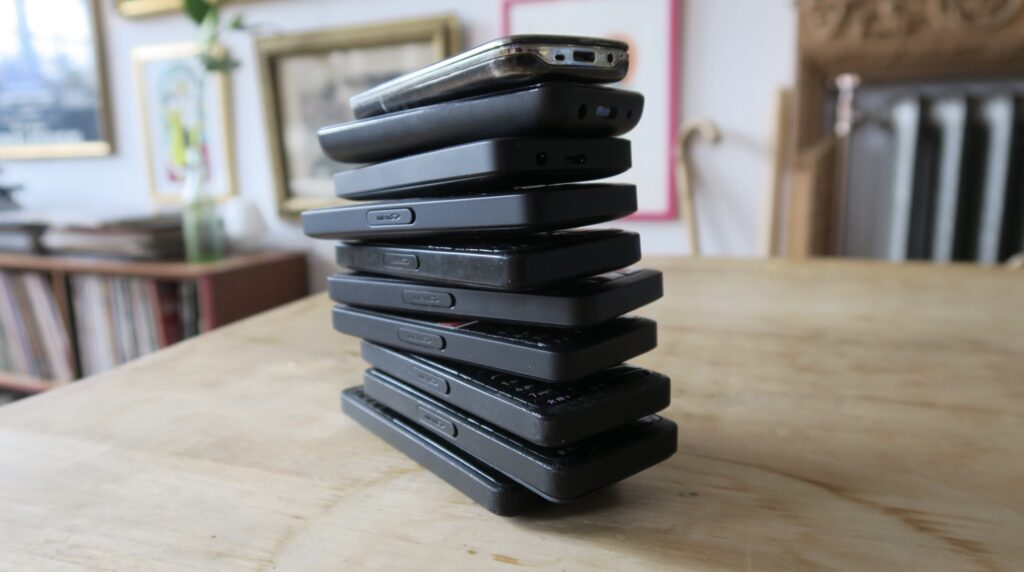
Back at my yard I made up for lost time.
As I’d written, to be addicted is to be completely at the whim of your impulses. Check. To realise you are no longer in control of your decisions. Check. To be aware that the behaviours you are undergoing are harmful to you, check, are making you unhappy, check, and in spite of this to repeat them nonetheless. Ch-check.
Foster Wallace’s prophecy echoed through empty hallways.
We’re going to have to develop some real machinery inside our guts to turn off pure unalloyed pleasure. Because the technology is just going to get better and better, and it’s going to get easier and easier, and more convenient and more pleasurable to sit alone, with images on a screen given to us by people who do not love us but want our money. And that’s fine in low doses. But if it’s the basic main-staple of our diet, and I say this in a very meaningful way, we’re going to die.
David Foster Wallace 1998
The guy from The Social Dilemma, Tristan Harris, gave stark warning. Social Media, he said, was a machine-entity insidiously pointed at your kid’s brain, hellbent on figuring out which photo or video or tweet to put in front of their nervous system, so good at what it did, it had spawned the most anxious and depressed generation in memory.
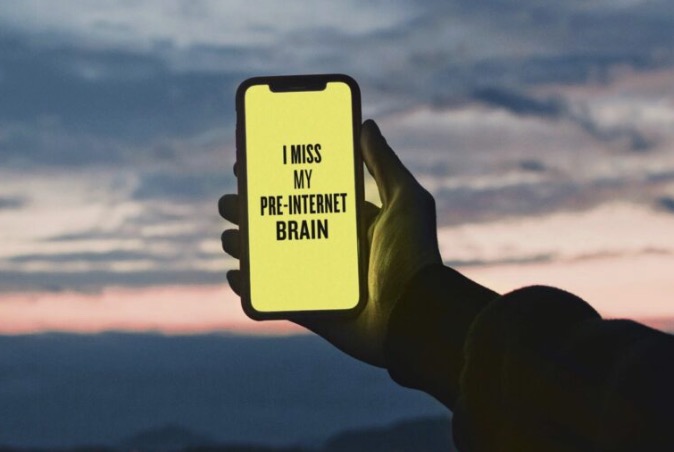
As the interface refined its user experience and the content got better and better, I was a boat in a hurricane, the wind did what it wanted with me. It’s crack mate, my friend Luke smiled deadly seriously.
Neither plenitude nor vacancy. Only a flicker
Over the strained time-ridden faces
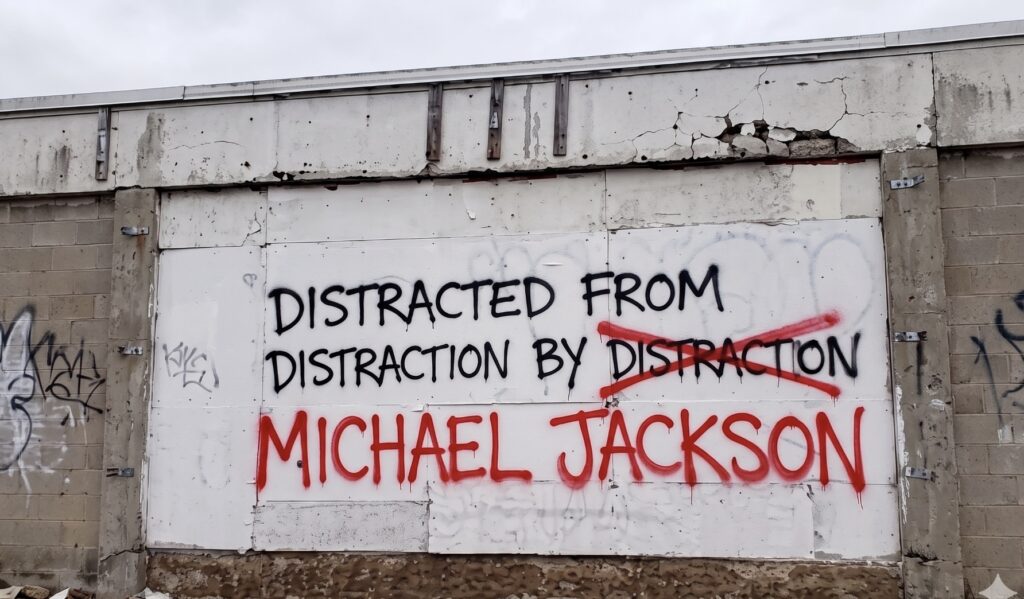
Distracted from distraction by distraction
Filled with fancies and empty of meaning
Tumid apathy with no concentration
T S Eliot
*
II
But hold on.
These things wouldn’t be so addictive if there wasn’t something going on. They call them the glory days for a reason, the hedonism of youth, all in the name. That stuff is glorious.
I love my vices.
I love that first lick of cold gold, back against the bar, the dawning of some bolivian uncut, the times my algorithm is straight fuego and I’m watching people snapping diving boards or missing high-fives for half a day. The Bhagavad Gita told the point of our lives was to find our purpose and give our whole hearts and souls to it. What if this was my purpose. What if the thoroughly useless information I flat-lined in was getting me closer to actualisation.
In the East they talk of non-doing. The highest form of wisdom. So I was on the money after all. But the more I gleaned the more off the mark I strayed. Non-doing didn’t come in the halo’d glow of an iPad screen, it was the discipline of attention, meditation and prayer, the shutting down of the monkey mind. The doing of nothing.
Rather than what I was up to, which was doing nothing.
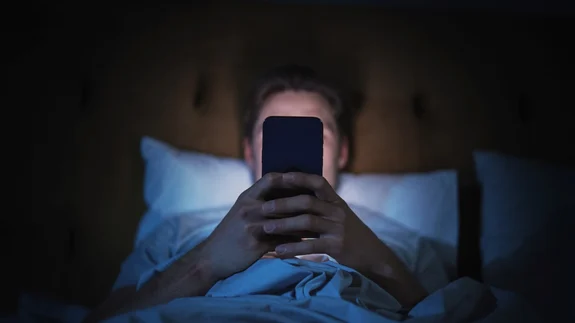
Luke was right, it is crack. The reason we can’t get enough is evolution at its most refined. We got spat out hardwired for information. The reason we have whites in our eyes, unlike the other great apes, is so we can see where other people are looking. A defence strategy. Useful information.
We can’t get enough of that information.
My algorithms purred. My recommendations glistened. YouTube and I were giddy lovers on a swing. Nonsense to one side, I would swell my brain on spiritual practice, religion, aliens, the mathematical probability of relegation. An autodidactism I would never seek out at the local library. Always something decent to dive into.
Louis CK said it best.
You need to build an ability to just be yourself, and not be doing something. That’s what the phones are taking away, the ability just to sit there doing nothing. That’s being a person. But nobody can anymore, they gotta check… Underneath everything there is that thing inside, that forever empty. But because we don’t want that first bit of sad, we chuck it away for the phone. So we never feel either completely sad, or completely happy, we just feel kind of satisfied with our product.
And then we die.
*
III
Par for the course, around Christmas I’d fallen into an episode. Not terminal, certainly tiring. But it had a different hue to those I’d experienced a decade ago. Back then you couldn’t deep-dive onto an ocean floor of sebaceous cyst explosions. You had to go into your feelings. But now, any flicker of an emotion I didn’t feel the strength to feel, was me straight onto the interface. In some sense it stalled and stunted the process that was underway, since I was barred entry from its learning.
Which was actually dangerous.
Remedying numbness with increased numbness.
Distracted from distraction by distraction.
Robert Frost wrote the only way out is through. The Dominican writer Junot Díaz stacked his chips and raised him. The only way out is in, he said. Junot all day son. In order to get through, it seems we must go in, can’t just load up more Ancient Aliens and wait around all-crosseyed for something to change.
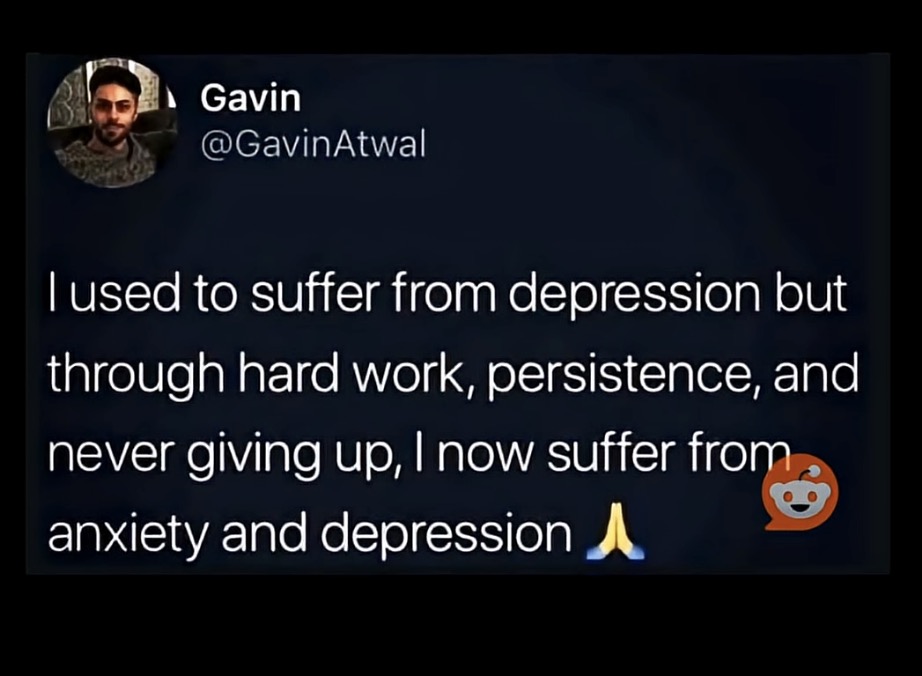
We never feel either completely sad, or completely happy, we just feel kind of satisfied with our product.
And then we die.
*
IV
Our addictions came down to a search for God, Jung explained.
A spiritual desire nested in every human heart, a longing only God could satiate. In the absence of the divine, this longing was hijacked by culture and money and sex and pleasure and career, and our cries to fill the hole God had placed inside us grew fainter. The Buddhists talked of hungry ghosts pursuing us, crying out for our attention pleading we attend to them.
Having been made to live in communication with the Big Man, our spiritual isolation feasted on our addictions. The child in a supermarket separated from the mother, grabbing any hand they could find.
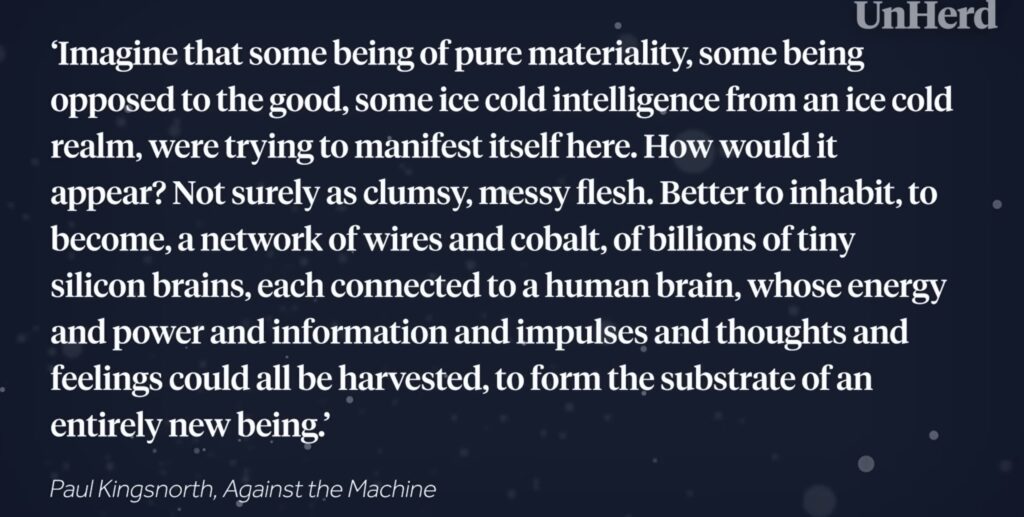
The writer Paul Kingsorth was onboard.
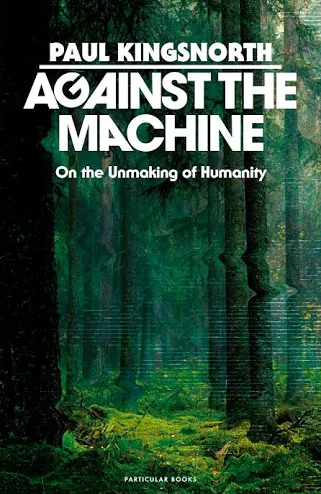
An Orthodox Chrisitan convert, he’d written a book called Against The Machine on the insidious perils of technology. Whatever your stance, this guy was brilliant. If you’d told me five years ago I’d be a Christian I’d have walked out of the room, he said.
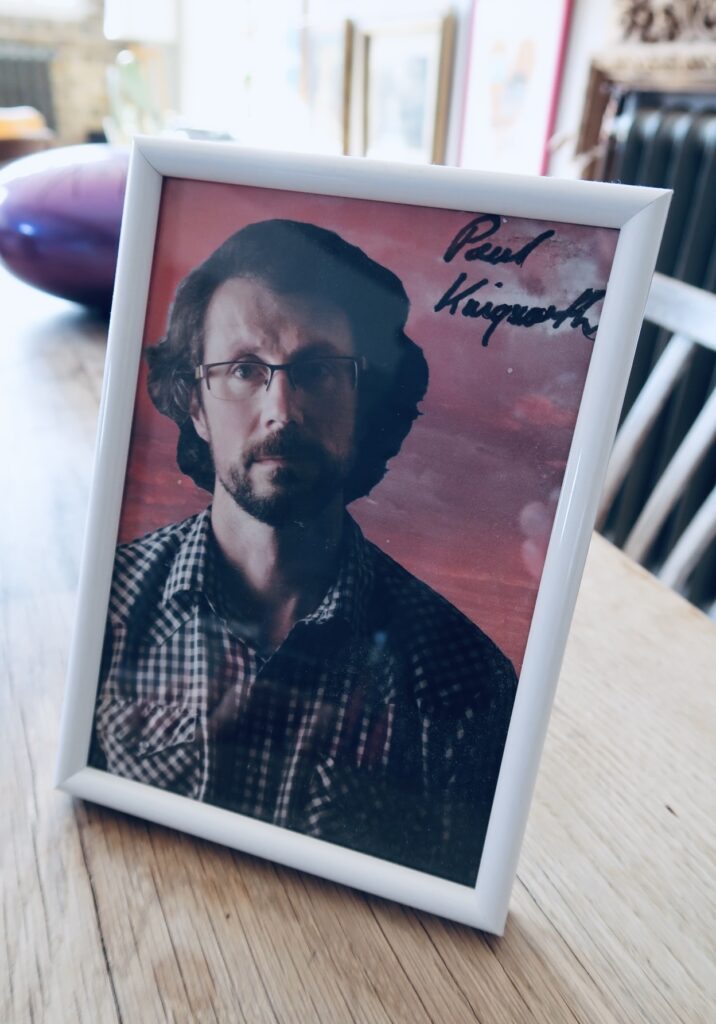
I went along to see him talk, 8 by 12″ glossy in hand I’d backed to a killer sunset, asked him to sign it. He looked perplexed.
Kingsnorth was suspicious of technology as a tool. Take a spade, he said, a multipurpose thing. Something you could build an orphanage with, and also take out your hot new annoying Iranian neighbour with, the one who refused to respond to your well-meaning welcome to the hood postcards.
For him, tech had gone beyond a tool.
Cultures the world over, asides from little old us in the West, accepted an unseen battleground raging all around us. You know the massive fight at the end of Lord Of The Rings, orcs goblins dwarves ghosts hobbits wizards, a morass of chaos, everyone going at it, light against darkness, good versus evil, it seemed the best way to describe what the invisible realm was hammering out just above our oblivious heads.
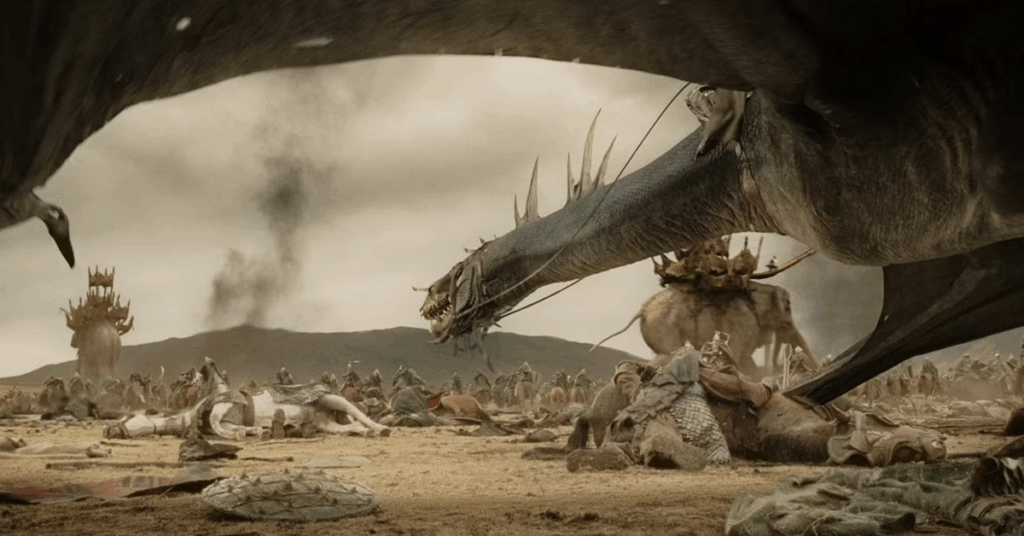
This all-out war on our attention and our kids’ attention, the churning algorithms and notifications and now AGI, he said, were the forces of darkness and malevolence in invisible spiritual realms harnessing tech to scatter and isolate and divide us from each other.
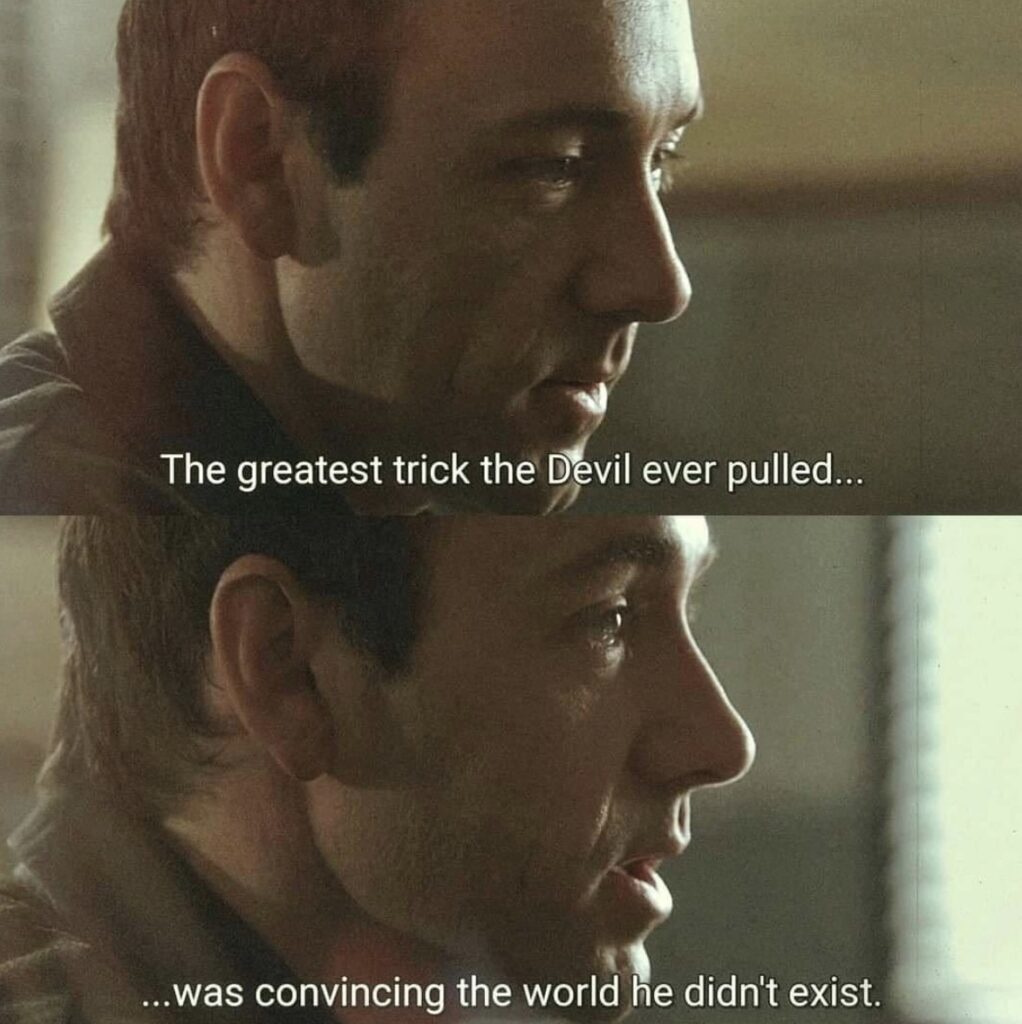
Diabolos is the ancient Greek word meaning to divide. Sam Altman and Peter Thiel, the most reptilian looking lizard guys you could imagine, talked openly of the death of humanity not being the worst option on the table.
All the more reason to stay off YouTube I suppose.
*
REDUX
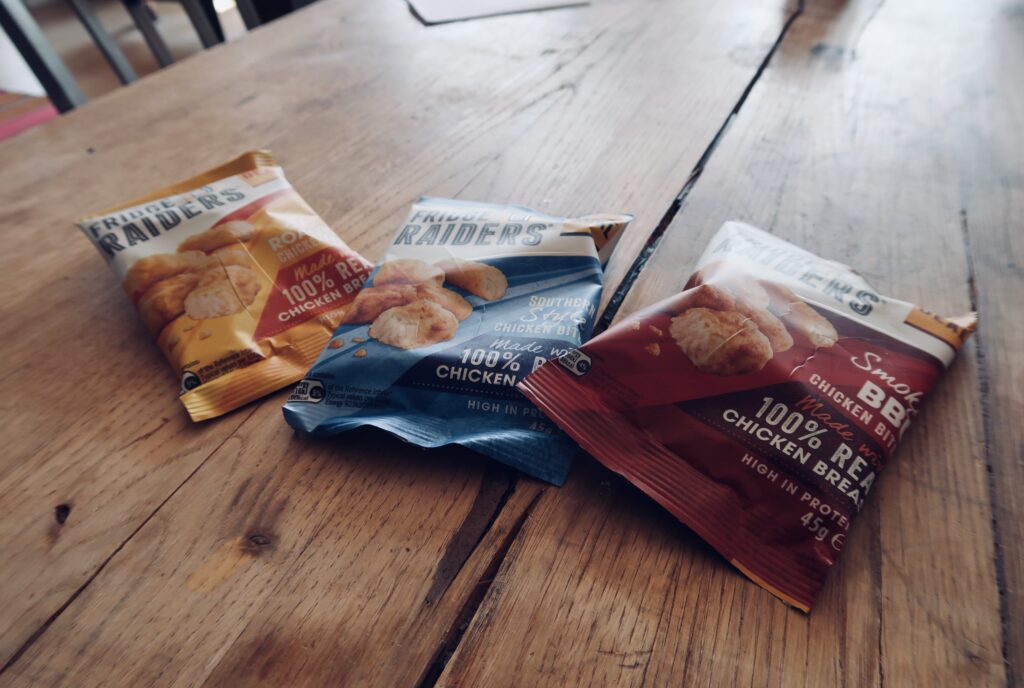
Mulling all this over I splayed the Fridge Raiders across the table and assessed my options, kicked off with smokey BBQ.
Another wild night in.
Fantastical theology to one side, one thing was certain. We had never been more isolated. With this stream of notifications and insta stories and the rest, swallowing the delusion of togetherness, we were alone in a room, fixated by pixels. At least I was. Not how we evolved, sat round the fire in furs sharing jokes talking over the size of our catch.
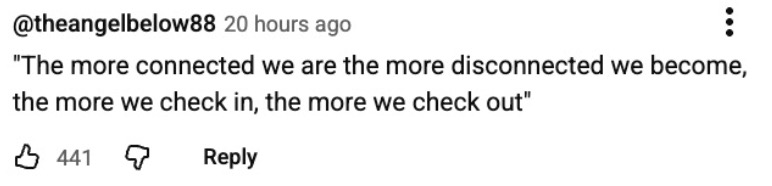
Trying to solve a problem our childhood had set in stone. Numbing out on road traffic accidents to distract from feelings I didn’t have enough space in me to feel. When the river all too often burst its banks, a child in front of a flickering screen could sail away on a silvery sea. YouTube was just this pattern prologued.
We don’t dream about smartphones ever.
Isn’t that peculiar. Yet they consume our lives, so we half-live, half of this world, half floating in Pixel Land, interrupting films, conversations, date nights, to check.
Because we must check.
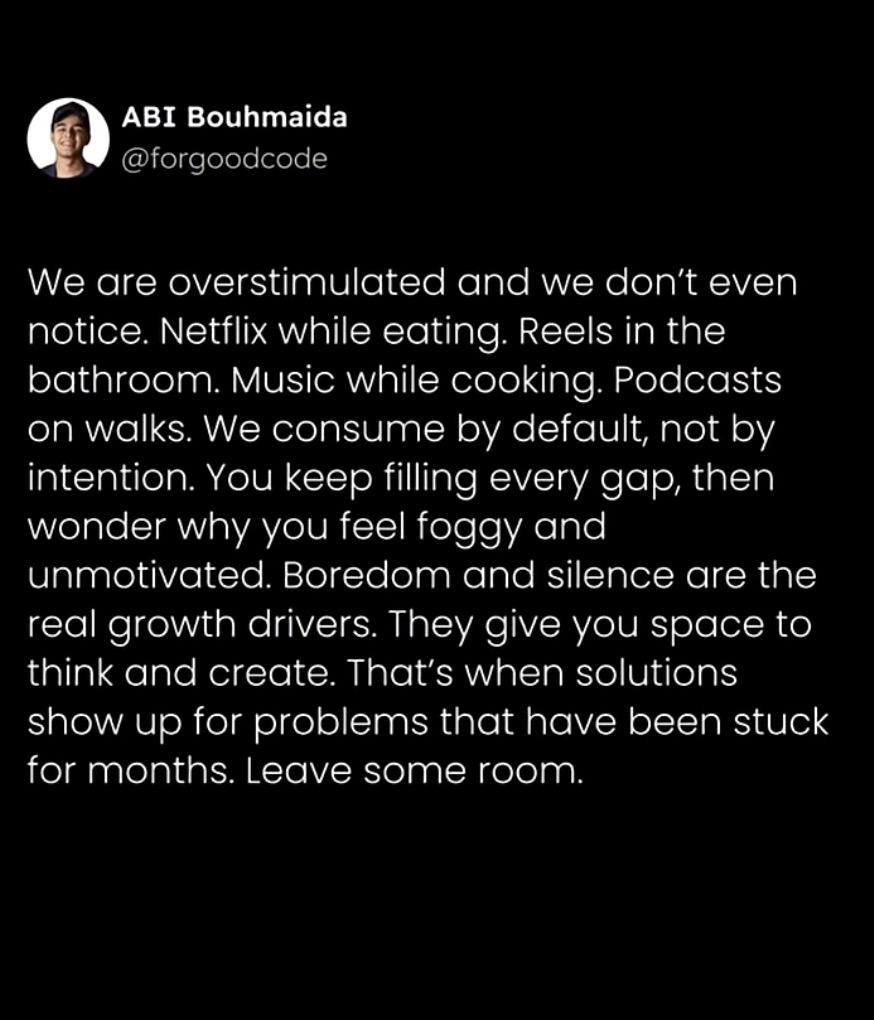
What happened to silence and revery and birdsong. Imagine the ancients in their togas walking the forum with Zara Larsson Lush Life pounding down their eardrums all day. Would Plato have mustered the Republic with that kind of assault on his dome.
People strive for knowledge and I have none, yet the evening listens.
Keats
*
And yet.
When’s the last time you went bananas to The Way You Make Me Feel. MJ two-stepping round the cadillac, summoning her glance with a shamone, drum and synth going tonto. Might have to stick it on, ramp up this balmy Friday afternoon, moonwalk to the shops, mindful not to alarm anyone.
How we spend our days, in the end, is how we spend our lives.
Distract yourself, if you must.
Distract yourself with something better.